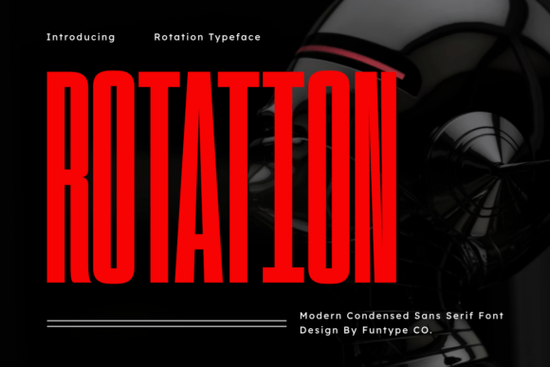
If you're looking for a typeface that commands attention without taking up half your layout, the Rotation Font is worth a close look. It's a condensed sans serif with a tall, narrow structure that works especially well for bold headlines, streetwear branding, and packaging where space is tight but impact matters. Whether you're designing for screen print, vinyl decals, or digital posters, this font gives your text an industrial, high-contrast feel that stands out on any surface.
What Makes Rotation Font Different from Other Condensed Typefaces?
Not all condensed fonts are created equal. Some feel squeezed or awkward. Rotation Font avoids that problem because it was built from the ground up with a geometric block structure. The vertical scaling is dense, and every letter feels intentionally proportioned. You won't get that pinched, uncomfortable look that shows up in fonts that were simply narrowed down from a wider design.
This matters if you're working on projects where type needs to read clearly at different sizes from a small label on a product box to a massive banner at an event. The uniform stroke weight and sharp edges keep everything looking crisp, even when you scale it up significantly.
Where Does This Typeface Work Best?
Rotation Font shines in specific use cases. Here are some projects where it fits naturally:
- Streetwear and urban apparel The bold, narrow style pairs well with graphic tees, hoodies, and hats.
- Sports team branding Logos, jerseys, and promotional materials benefit from its strong vertical presence.
- Event posters and flyers When you need a headline that grabs attention from across the room.
- Product packaging Especially for items with limited label space where every millimeter counts.
- Vinyl decals and signage The clean edges cut cleanly and reproduce well on physical media.
- Digital ads and social media graphics Strong enough to stop the scroll on crowded feeds.
If you're a print-on-demand seller, this kind of versatility is especially useful. One font can cover multiple product types, which saves time and keeps your designs consistent across a shop.
What File Formats Does It Come With?
Rotation Font ships in both OTF and TTF formats. That means it works with the software most designers already use Adobe Illustrator, Photoshop, Affinity Designer, Canva, Cricut Design Space, Silhouette Studio, and most major print platforms. You won't need to convert anything or worry about compatibility issues. Just install and start designing.
How Does Rotation Compare to Other Popular Condensed Fonts?
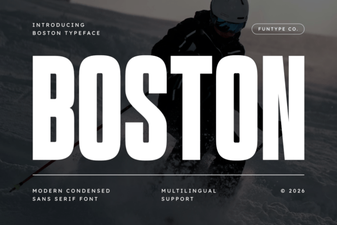
If you're browsing for condensed typefaces, you might also come across a few other options worth knowing about. Boston Font takes a slightly different approach with its own condensed feel but leans into a more classic look. For something built with academic or editorial settings in mind, Campus Font offers a structured, clean alternative that works well for school-related or institutional designs.
On the bolder side, if you want a typeface that mixes personality with weight, the Bold Playful Bundle gives you multiple font options in one package, which is great if you like to experiment with different styles in a single project. And for designs that need a bit more brightness or flair, Shine Bright Font brings a different energy while staying within the sans serif family.
Each of these serves a slightly different purpose. Rotation stands out when you need that tall, aggressive, no-nonsense look. If your brand identity leans toward strength, precision, and a modern industrial edge, it's the right fit.
Is Rotation Font a Good Choice for Small Businesses?
Absolutely. Small businesses often need type that works across multiple touchpoints website headers, packaging, social media posts, printed materials. A versatile condensed sans serif like this one reduces the number of fonts you need to manage while keeping your visual identity tight and recognizable.
It's also practical for business owners who do their own design work. Since it comes in standard formats and installs easily, you don't need advanced technical skills to get it running in your workflow.
Quick Checklist Before You Buy
- Check your project needs Does your design call for a tall, narrow, high-impact typeface?
- Confirm software compatibility OTF and TTF files work with most editors, but double-check if you use a niche platform.
- Test at multiple sizes Install the font and preview it at both small and large scales to see how it performs for your specific use case.
- Pair it wisely Use a simpler body font alongside Rotation so your layout doesn't feel too heavy.
- Review the license Make sure the usage terms cover your intended application, especially for commercial print-on-demand work.
Tip: Before finalizing any design, print a small test sample or preview it at full resolution on screen. Condensed fonts can look quite different depending on the medium, so what works for a digital poster might need slight adjustments for vinyl or fabric printing.
Try It Free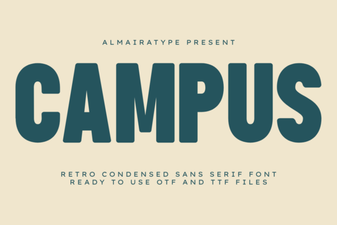 Campus Font: a Fresh Typeface for School and College Projects
 Discover Matters Font: a Modern Typeface for Creative Projects
 Boston Font – Free Sans Serif Typeface for Modern Design
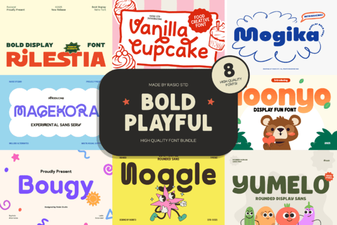 Bold Playful Bundle Sans Serif Font Collection for Creative Designers
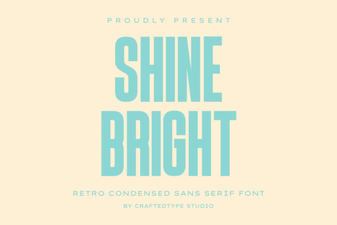 Shine Bright Font - Free Sans Serif Download for Modern Designs
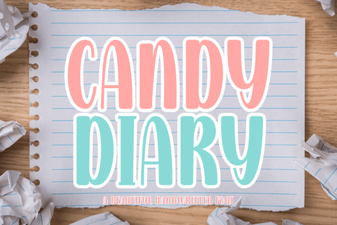 Candy Diary Font: Sweet Handwritten Style for Creative Projects