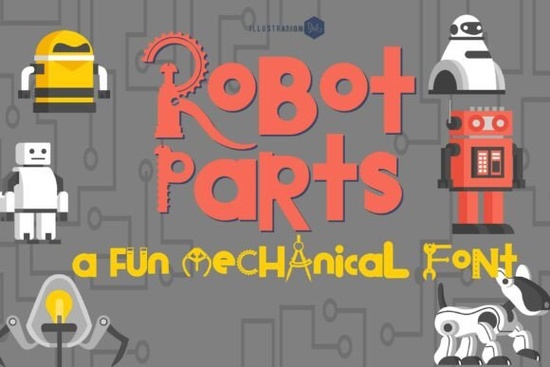
If you're designing graphics for a robotics club, STEM event, or any kid-focused tech brand, the Robot Parts Font deserves a spot in your toolkit. It's a geometric display typeface where each letterform is built from recognizable industrial parts gears, bolts, wrenches, compasses, and nuts. The result is a bold, structured font that instantly communicates engineering, making, and hands-on creativity.
As someone who works with typefaces daily for print-on-demand and client projects, I want to walk you through what makes this font useful, where it fits best, and a few things to keep in mind before you use it.
What Exactly Is the Robot Parts Font?
Robot Parts is a display typeface with a mechanical, blueprint-inspired aesthetic. Every character is designed to look like it's assembled from real hardware components. The sans-serif structure keeps the letters readable, while the embedded industrial details give each one a distinctive, textured personality.
This isn't a font for body copy or long paragraphs. It's built for headlines, logos, event posters, and jersey graphics where you need maximum visual impact in just a few words. Think science fair banners, robotics team names, or YouTube thumbnails for tech content aimed at younger audiences.
Who Would Benefit from Using This Font?
Here's a quick look at the kinds of creators and businesses where this typeface makes the most sense:
- Youth robotics clubs looking for a distinctive identity for logos, banners, and social media
- Print-on-demand sellers designing STEM-themed t-shirts, stickers, or classroom posters
- Event organizers creating headers and signage for science fairs, hackathons, or coding camps
- Small businesses in the educational toy or tech-toy space that want bold brand graphics
- Crafters and designers who work on school projects, maker-space branding, or DIY robot kits
If your audience includes kids, parents, or educators interested in science and technology, this font speaks their visual language without needing a single extra illustration.
How Does Robot Parts Compare to Other Display Fonts?
Display fonts come in a huge range of styles, and choosing the right one depends entirely on your project's mood. Robot Parts fills a very specific niche: industrial, mechanical, and STEM-forward. But it helps to understand how it fits alongside other options.
For example, if you're working on sports or team-related designs, a jersey-style number font might be more appropriate for uniform graphics. On the other hand, projects with a nostalgic or retro vibe could benefit from a vintage bold display font that leans into older typographic traditions.
Seasonal or themed projects also call for different approaches. A spooky moon font works perfectly for Halloween designs, while a cute crayon font is better suited for playful, child-oriented projects with a hand-drawn feel. For something completely different, a beachwave font captures a relaxed, coastal aesthetic.
Robot Parts sits firmly in the STEM-meets-design category, which is a space that surprisingly few fonts occupy well.
What Are the Best Use Cases?
Based on how the font is designed, these are the projects where it really shines:
- Robot competition jerseys The industrial look pairs naturally with team names and numbers on custom jerseys.
- Social media headers Bold geometric shapes grab attention in fast-scrolling feeds, especially on platforms like Instagram and YouTube.
- Event posters and flyers Science academy open days, coding workshops, and STEM boot camps all benefit from this kind of visual tone.
- T-shirt designs POD sellers targeting the maker/STEM niche can use Robot Parts for hero text on apparel.
- Classroom materials Teachers and homeschool parents designing bulletin boards or activity sheets about engineering topics.
Are There Any Limitations to Keep in Mind?
Every font has trade-offs, and it's worth being honest about them:
- Not suited for small text The intricate mechanical details in each letter can get lost at small sizes. Use it at larger point sizes for the best results.
- Display-only typeface Don't try to use this for paragraphs, product descriptions, or anything that requires sustained reading.
- Specific theme If your project isn't related to STEM, engineering, or kids' tech culture, the mechanical look might feel out of place.
That said, within its intended use, Robot Parts does its job well. The letterforms are well-constructed, consistent in weight, and genuinely creative in how they integrate hardware elements.
Quick Checklist Before You Start Designing
Before you download and start creating, here's a practical checklist to make sure you get the most out of Robot Parts:
- ✅ Confirm the license covers your specific use (commercial print-on-demand, client work, personal projects)
- ✅ Test the font at large display sizes to see the mechanical details clearly
- ✅ Pair it with a clean, simple sans-serif for any secondary text
- ✅ Use high-contrast colors to make the structural details pop
- ✅ Keep your headline short two to four words work best with a decorative display font like this
- ✅ Preview the full character set before committing, especially if you need numbers or special characters
Tip: If you're designing for print-on-demand, always check how the font renders in your mockup generator before listing a product. Some intricate fonts lose detail at lower DPI settings, so test on actual product previews rather than just screen-sized files.
Explore Design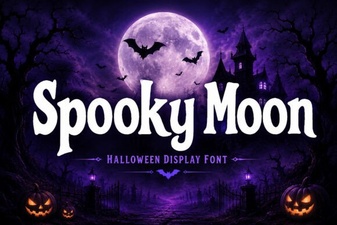 Spooky Moon Font for Halloween Designs and Creative Projects
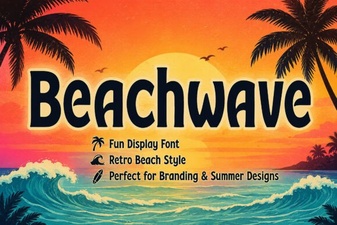 Beachwave Font: Breezy Script for Creative Design Projects
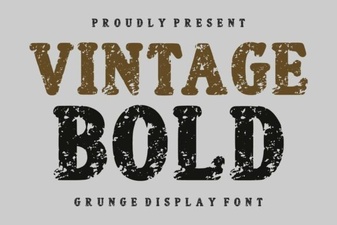 Vintage Bold Font: Classic Typography for Modern Projects
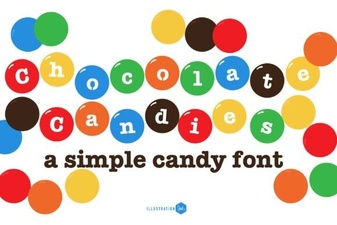 Sweet Chocolate Candies Font Family for Creative Design Projects
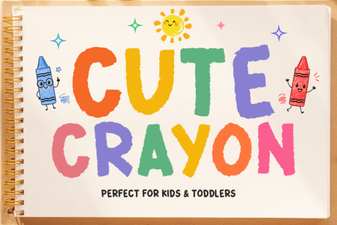 Adorable Crayon Font for Fun and Creative Designs
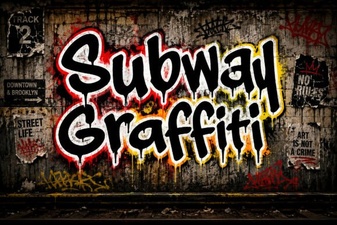 Subway Graffiti Font: Bold Street Style for Creative Projects